Clear Choice

What Makes a Café Truly Consumer-Friendly?
Clear Choice asks not only how businesses influence consumers, but what it looks like when they genuinely act in the consumer’s interest.
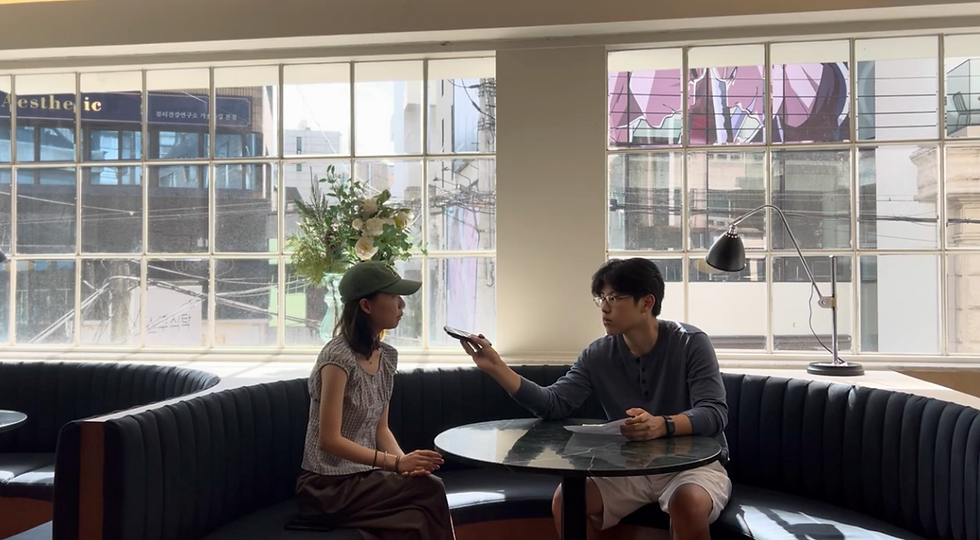
To investigate this question in everyday life, this field study analyzed 23,402 Naver reviews from 50 cafés in Gangnam and translated recurring customer concerns into six measurable dimensions. Five contrasting cafés were then selected for the next stage: paired interviews with customers and employees at each location.
By connecting what consumers experience with what businesses intend and practice, the study moves from consumer theory to field evidence.




From Consumer Theory to Field Evidence
The project began with theories of consumer welfare, particularly the roles of information, fairness, and choice. However, beginning with interviews alone could have produced broad or inconsistent definitions of what makes a café “good” for consumers.
Online reviews were therefore analyzed first to identify recurring dimensions of consumer experience. These dimensions provided an evidence-based structure for comparing cafés, selecting field cases, and designing the interview questions.
Listening at Scale

We collected up to 500 online reviews from each of 50 cafés in Gangnam. After cleaning and organizing the data, 23,402 reviews were retained as a structured corpus representing consumer experiences across a wide range of cafés.
From Reviews to Consumer Dimensions

The reviews were cleaned, segmented, and coded to identify recurring themes in consumer experience. These themes were organized into six dimensions that allowed every café to be evaluated using the same evidence-based criteria.
From Field Validation to Practice
We visited the five selected cafés and interviewed both customers and employees. Customer interviews captured the value people actually experienced, while employee interviews revealed the practices intended to create that experience. Comparing these perspectives exposed areas of alignment and hidden gaps, which were then translated into a consumer-friendly café framework.

